
LUNAR
ENERGY
The Moon sets the rhythm of the tides, the wind raises the swell. HFI, a smart floating wave converter, captures the energy of the swell that reaches our coasts every day, to power what the coastline needs.
The Moon sets the tempo
Twice a day, the tide raises and lowers the sea. It changes the water depth along the coast, and with it the swell that breaks there.
The wind gives birth to the swell
Far offshore, storms raise the swell. It crosses the Atlantic and reaches our coasts, stronger in winter and predictable several days ahead.
HFI rides every wave
A floating unit, moored without foundations, follows the slope of the water. Instead of resisting the sea, it dances with it and turns this rocking into useful motion.
From oscillation to electricity
This motion becomes electricity. Every shape is first refined in simulation, then tested in a wave basin: an engineering method, wave after wave.
Designed for the Atlantic swell
Every value is traced in the project's design register, with its status.
Working with the sea rather than against it
HFI starts from a simple idea: a machine that adapts to the day's waves. Four ambitions guide every design choice.
- 01Set down, lifted upNo foundation on the seabed: the unit floats, held by anchor weights. It is designed to be set and lifted with light means.
- 02Tailor-madeWe start from your need, consumption and target output, then put together the set of HFI modules that meets it.
- 03In tune with the seaAn adjustable architecture, designed to adapt to the waves actually present, from calm sea to heavy swell.
- 04Every watt countsMore useful energy, fewer losses, fewer parts, easier maintenance: cost is a design criterion from the very first calculation.
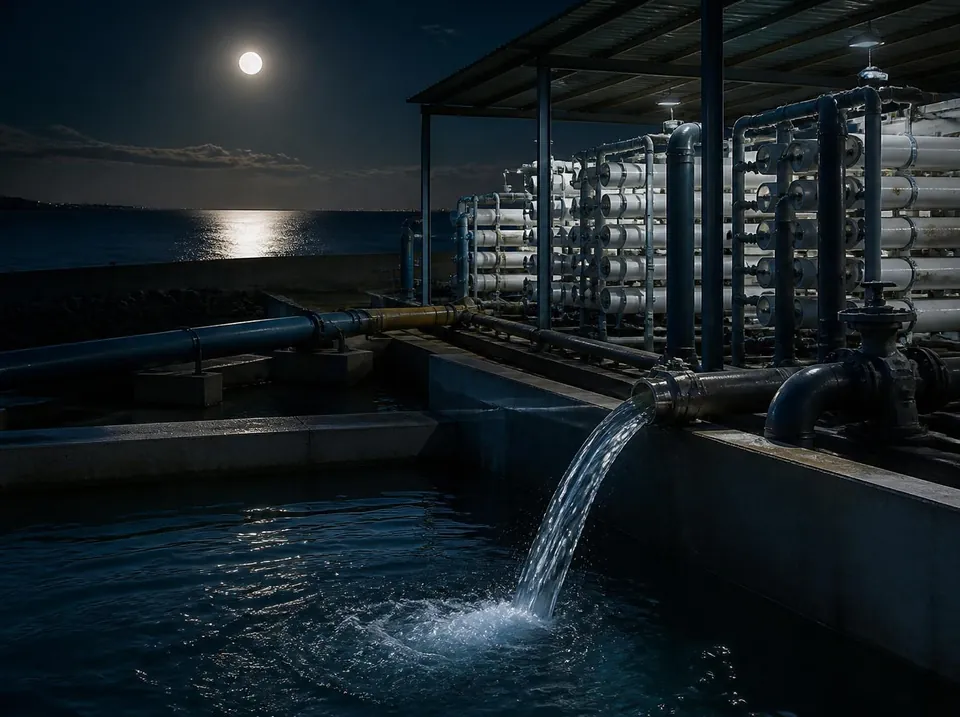
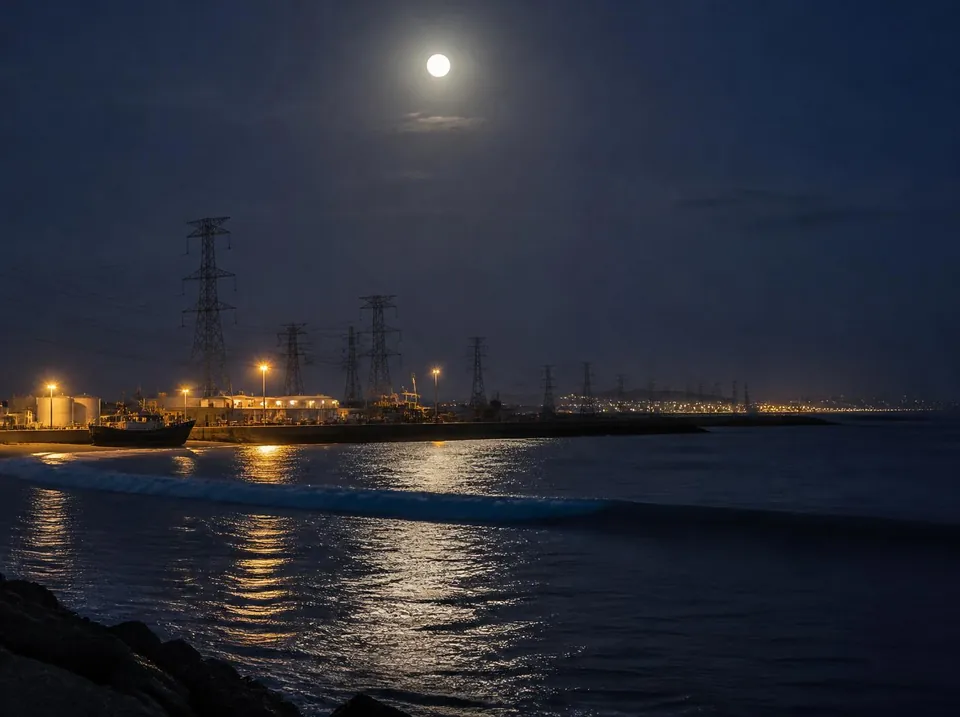
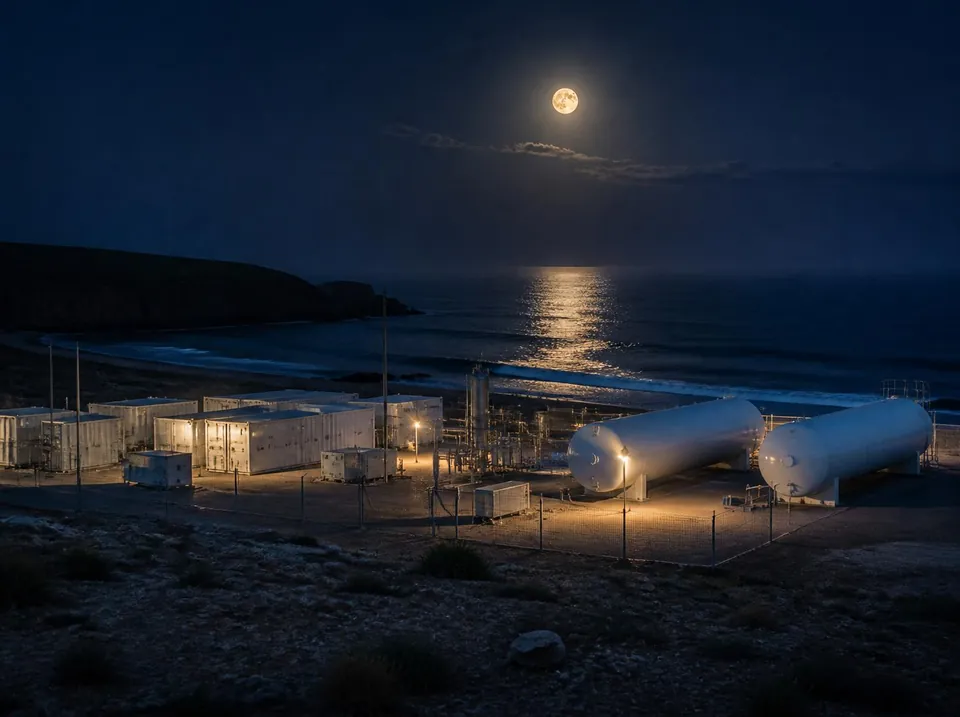
From swell to drinking water
The coast is thirsty for energy. HFI first targets the needs that already sit by the sea.
 Illustration
 Illustration
 Illustration
From calculation to the basin, then to the sea
Each step is validated before the next. That is what will make HFI robust: simulation first, then the basin model, then the sea.
- Path 1ArchitectureSystem principle and layout
- Path 1Float shapesSeveral variants compared by calculation
- Path 1Digital modelPreliminary sizing by calculation
- In progressWave simulationThe float in the wave, numerically
- Path 2Basin testsInstrumented 1:5 scale model
- Path 2Sea demonstrationAfter basin validation
A vision, a method, a team to build
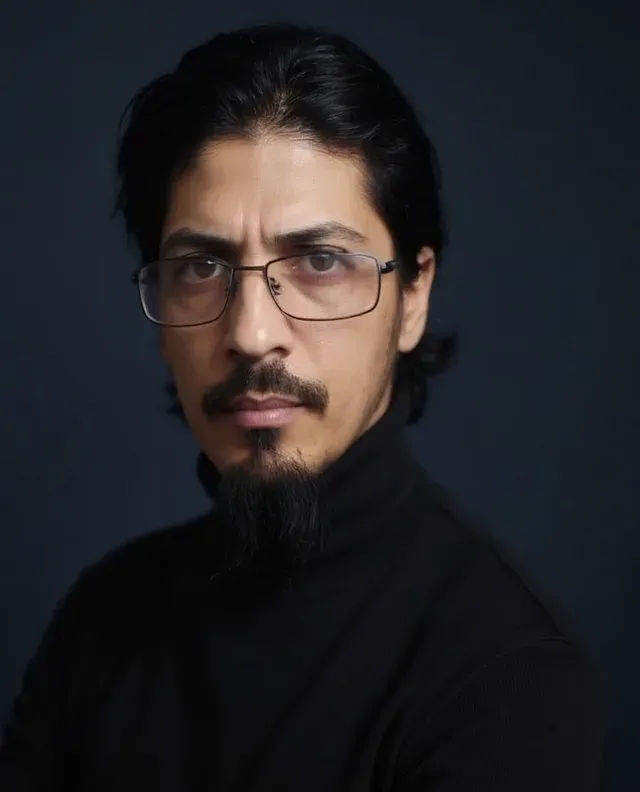
HFI was born from the vision of BELHAIMER Bouchaib. It is run like an engineering office: every idea is drawn, calculated and simulated before it is built, and every result is traced.
We are now opening the project to the people who will take it from calculation to the sea. Join us if you work in:
- HYDHydrodynamics and basin testingConcept review, test protocol, access to a wave basin.
- FABBuilding the modelMachining, metalwork, composites, assembly.
- SYSInstrumentation and measurementLoad and motion sensors, data acquisition.
- NRGEnergy conversionFrom motion to electricity, at small scale first.
- MATMarine materialsSeawater resistance, service life, cost.
- FINFunding and developmentBuilding applications and partnerships.
BELHAIMER Bouchaib
“The sea never stops moving. I want to build a machine that moves with it, and put it at the service of those who live by the water.”
The model is being prepared. Those who come aboard today will shape the machine, its tests and its first sites. Laboratories, workshops, funders, engineers: let us build it together.
Come aboard from the first wave
Build, test, fund: the 1:5 model is the next step, and every partner counts. Choose your profile and we will reply.

يَا نَاظِراً في هِلَالٍ عِيلَ صَاحِبُهُ
أَمَا تَرَى كَيْفَ يَبْدُو ثُمَّ يَنْعَكِسُ القَمَرُ
“O you who gaze at the crescent with a weary heart,
do you not see how the moon appears, then comes back again?”
Ibn al-Rumi, poet of Baghdad, 9th century
The crescent wanes, then returns. Like the tide, like the swell. HFI is designed for that return.
Read the philosophical reading
The verse
The poet speaks to someone who watches the crescent with weariness, the way one watches time pass. He answers with an observation: the moon is never still. It is born as a thin crescent, grows to full moon, wanes, disappears, then returns. Change is not an accident of existence; it is its law. Whoever accepts it stops suffering it.
The link with HFI
This cycle is also the cycle of the sea. The phases of the Moon set the tides: spring tides at new and full moon, neap tides at the quarters. The wind, for its part, forms the swell, which rises, falls and returns. Machines that fight the sea wear out; HFI makes the opposite choice: it seeks to follow the motion.
That is the idea behind its design. The unit floats instead of resisting the waves and must adjust to the sea state, from short calm waves to swell. Ibn al-Rumi's verse says that everything changes; HFI aims to change with the sea.
A machine that accepts change instead of fighting it: that is the bet HFI makes, and the next wave will put it to the test.